
Do They Just Not Want to Know?
How many people have reached for the phone and put it back down before dialling my number?

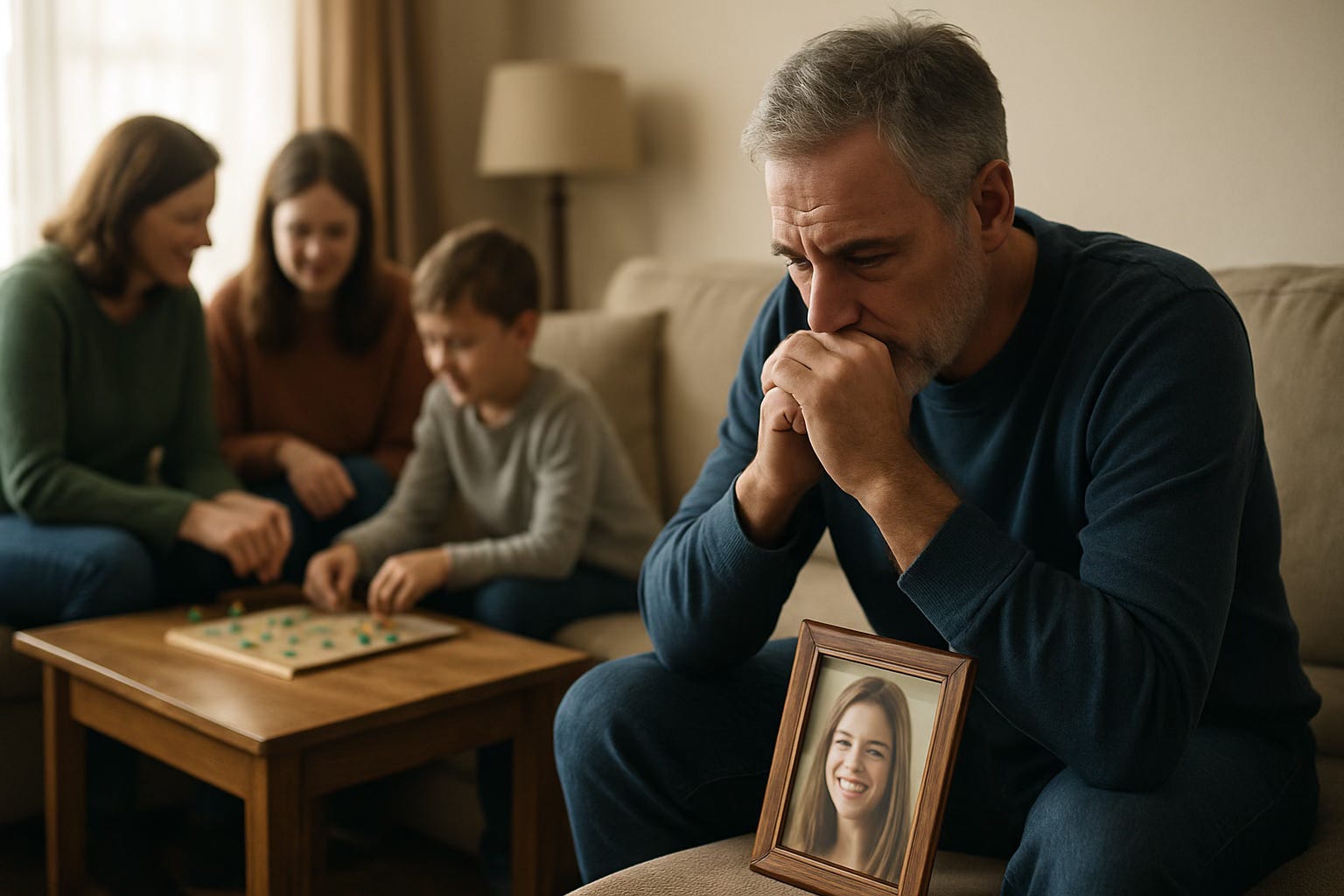
Well, a lovely weekend with family is in the books. We ate together, played games, laughed, and talked. About everything except my dead daughter.
Once again, I find myself fascinated at how people navigate death and grief. No one asks how we’re doing. No one mentions Chloe’s name. No one says, “I’m here for you.”
Unless I bring up her name, it’s like she never existed to them. So, I bring up her name. Because she exists. Because she’s my daughter. And because I’ll always be her dad.
When I do, they’ll talk to me about her. It’s never for more than a few minutes before I see I need to change the subject. They either run out of words, or their discomfort is so intense it feels like an act of kindness to put the conversation out of its misery.
I’m not resentful about it. I tend to assume people are doing the best they can in the moment. If they could be doing better, they would. I find that to be a compassionate and empathetic way of looking at my fellow humans. It makes them easier for me to love.
Don’t get me wrong…I’m not constantly wanting to talk about Chloe. I hate being the one who needs to bring her up. But, of course I want to talk about her from time to time with the people I love. She’s my daughter. I miss her. In life and death, she’s a hugely important part of my life. And she always will be.
After everyone left, I was reflecting on how this cycle of silence plays out, over and over. I’ve always assumed that people want to ask but just don’t know how.
Now, I’m not so sure that’s true. It’s not that anything new happened this weekend to make me question this belief. It was just a thought that felt worth exploring further.
I found myself wondering how many people really just don’t want to know. Maybe I’m naive, but it was the first time I thought about it. How many of them say to themselves, or each other, “I hope Jay doesn’t bring up Chloe today.” How many people have reached for the phone and put it back down before dialling my number?
I pictured those videos where something bad happens to someone on the street and countless people walk by, pretending they didn’t see a thing. For some, it’s easier to stare straight ahead rather than getting involved. It’s less of a risk to pretend nothing happened. Who wants to be brought down by someone in pain?
People are busy living their own crazy lives. Many of us are barely keeping our heads above water. We deal with rough marriages, financial stresses, health issues and our own trauma and grief. We’re barely handling our own drama. Taking on someone else’s might push us over the edge we’re constantly teetering on.
I can understand how someone might see things that way. I want you to understand there are other ways. My invitation to you is to get involved. You don’t need to fix anything. You can’t. You don’t need to have the right words. There aren’t any. All you need to do is check-in every once in a while.
And be willing to listen. I’m not asking you to take on my pain and discomfort. You wearing it doesn’t help me at all. I’m just asking for a brief moment of empathy. To understand my experience without letting it determine yours. It might hurt to see someone you love talk about their most painful experiences. It hurts more to know you’re avoiding them.
Sharing our humanity, even if it’s painful, won’t bring us down. It’ll strengthen our connection to one another, and that’ll lift us both up. If the world needs anything right now, it’s more empathy.
In the meantime, I’ll keep loving my family and friends.
And I’ll keep writing about grief for men, and the people who love them.
Are You Struggling to Support Man You Love Through His Grief?
If someone you love is grieving, and you’re starting to feel helpless, shut out, or unsure how to help, this course is for you.
It also includes some incredible, interactive coaching tools to help you practice in a safe environment.
It’s called How to Support a Grieving Man. Short, immediately actionable, and just $17.
If you don’t love the course, I’ll give you your money back.
After 4 years I still don't know how to navigate the grief process of losing my daughter and other people. There is no manual, no easy answers, no magic wand, just muddling through. However, I would argue that is the best way for me. I do talk about Sarah more easily now and always say I have two adult children, if people who don't know me ask. I don't mention Sarah is no longer here unless it comes up, which rarely does. She is part of my life, as you say, always will be.
Do people not want to know? Only each person can answer that question. I think losing a child can be so difficult it is the subject people do not want to discuss rather than the person. People don't know how to separate the two. Yet memories are comforting and joyful to remember. 😘
My mate who lost her beloved son to suicide 14 years ago on the 18th of July.
She always said she loves that I always held her hand and listened to her stories about this tragedy.
People who suffer such a devastating tragedy want to talk about their beloved as if they don’t, they will burst